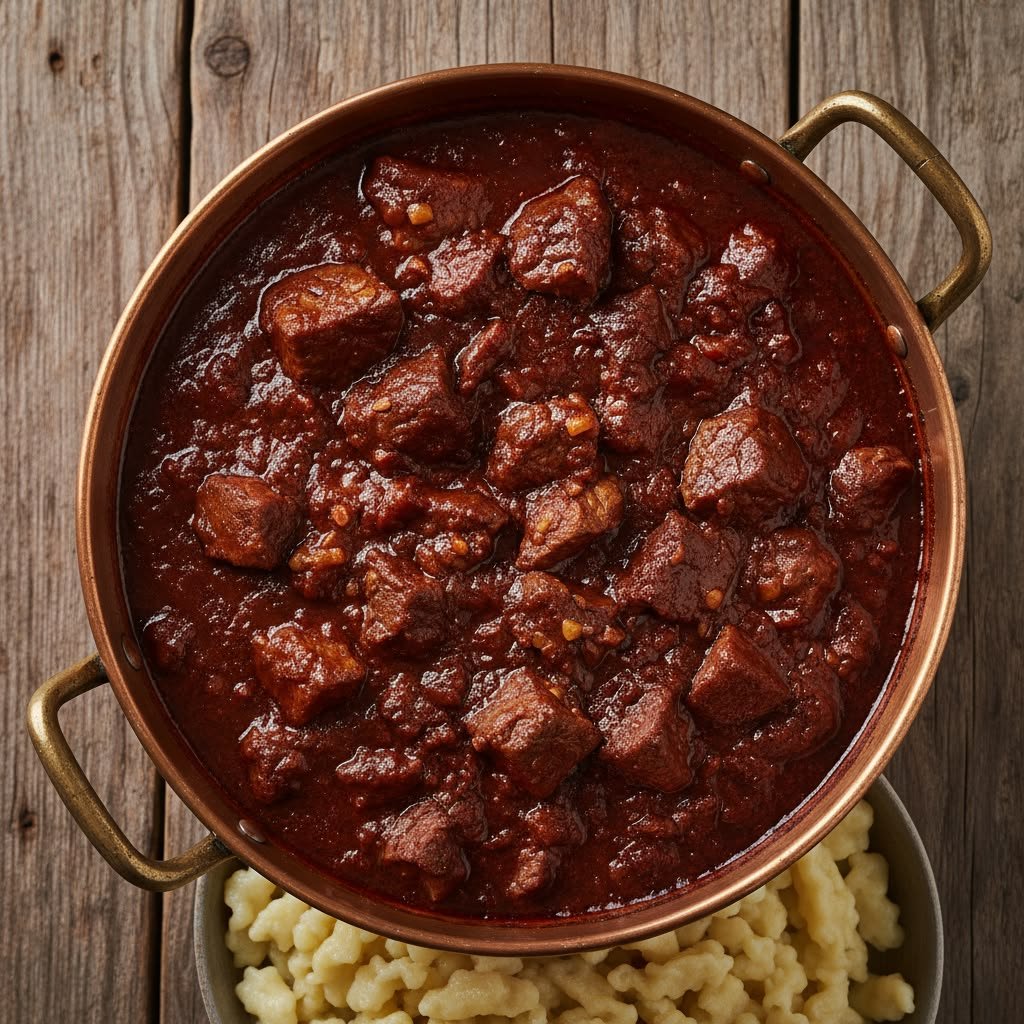
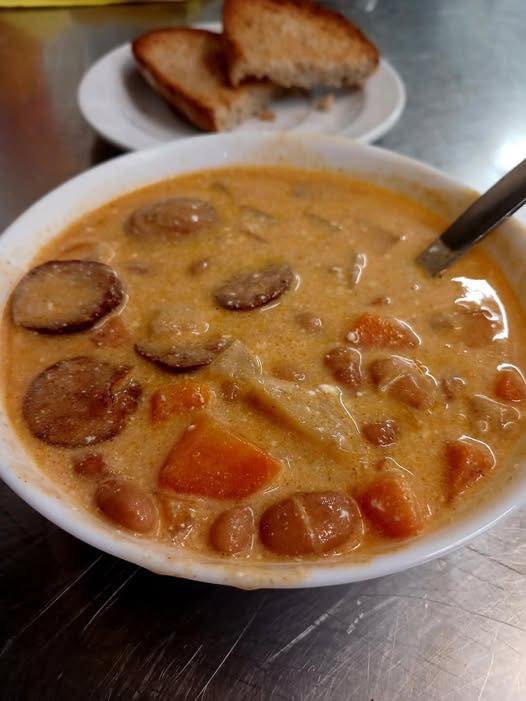
When it comes to true Hungarian comfort food, few dishes are as iconic and deeply rooted in tradition as Pörkölt. Rich, hearty, and full of paprika flavor, this classic meat stew has been a centerpiece of Hungarian family tables for generations.
Simple ingredients, slow cooking, and bold seasoning come together to create a dish that is both rustic and unforgettable.
Whether made with beef, pork, chicken, or even venison, Pörkölt is one of the purest expressions of Hungarian cuisine.
What Is Hungarian Pörkölt?
Pörkölt is a traditional Hungarian stew made by slowly simmering meat with onions, paprika, and spices until tender and flavorful.
Unlike goulash, Pörkölt is thicker and richer, with less liquid and a stronger meat-focused texture.
Its signature features include:
Deep paprika flavor
Thick rich sauce
Tender slow-cooked meat
Minimal but powerful ingredients
Rustic homemade style
It is one of Hungary’s oldest and most beloved dishes.
The Difference Between Pörkölt and Goulash
Many people confuse the two.
But there is a clear difference:
Pörkölt
Thicker
Less broth
More concentrated flavor
Served like a stew
Goulash
More liquid
More vegetables
More soup-like
Lighter consistency
Pörkölt is richer and heavier.
Why Hungarians Love It
Pörkölt is a staple because it is:
Affordable
Filling
Easy to make in large portions
Full of bold flavor
Perfect for family meals
It’s often served during:
Sunday lunches
Family gatherings
Village festivals
Cold winter nights
For many Hungarians, it tastes like home.
Ingredients You’ll Need
For authentic beef Pörkölt:
1 kg beef (cubed)
3 large onions
3 tablespoons lard or oil
2 tablespoons Hungarian sweet paprika
1 teaspoon hot paprika (optional)
3 cloves garlic
1 tomato
1 green pepper
Salt
Black pepper
1 teaspoon caraway seeds
Water as needed
Optional:
Bay leaf
Marjoram
The Secret to Authentic Flavor
The real secret is the onion-to-meat ratio.
Hungarian cooks often use almost equal parts onion and meat.
The onions slowly cook down and create the natural thick sauce.
And of course:
Good Hungarian paprika is essential.
Without it, it’s not true Pörkölt.
Step-by-Step Instructions
Step 1: Prepare the Base
Heat lard or oil in a heavy pot.
Add chopped onions.
Cook slowly until golden and soft.
Do not rush this step.
The onion base builds the flavor.
Step 2: Add Paprika
Remove the pot from heat briefly.
Add:
Sweet paprika
Hot paprika
Stir quickly.
This prevents burning.
Burned paprika becomes bitter.
Step 3: Add the Meat
Return to heat.
Add cubed beef.
Stir well to coat in the onion-paprika mixture.
Cook until slightly browned.
Step 4: Add Vegetables and Seasoning
Add:
Garlic
Tomato
Green pepper
Salt
Pepper
Caraway
Mix well.
These ingredients deepen the sauce.
Step 5: Simmer Slowly
Add a small amount of water.
Cover and simmer over low heat for 1.5–2 hours.
Stir occasionally.
Add water only if needed.
The sauce should stay thick.
Step 6: Serve
Once the meat is tender and the sauce rich, it’s ready.
Serve hot.
Traditional Hungarian Side Dishes
Pörkölt is often served with:
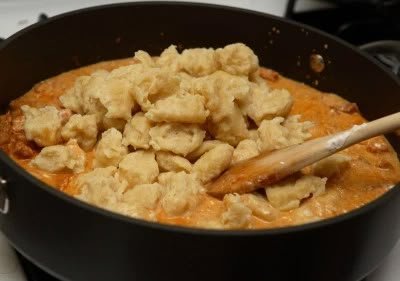
Nokedli (Hungarian dumplings)
The most classic pairing.
Boiled potatoes
Simple and hearty.
Fresh bread
Perfect for soaking up sauce.
Pickles
Balances the richness.
Cucumber salad
A refreshing side.
Tips for Perfect Pörkölt
Use lard if possible
It gives authentic flavor.
Cook low and slow
This creates tenderness.
Don’t add too much water
Pörkölt should be thick.
Use quality paprika
This makes the biggest difference.
Variations Across Hungary
Different regions make Pörkölt with:
Pork
Chicken
Lamb
Wild boar
Venison
Each version keeps the same classic base.
Final Thoughts
Authentic Hungarian Pörkölt is more than just stew — it is one of the strongest symbols of Hungarian home cooking. Rich, hearty, and deeply flavorful, it represents simplicity done perfectly.
With tender meat, smoky paprika, and thick sauce, it’s a dish that brings warmth and comfort to every table.
One bowl of Pörkölt is enough to understand why Hungarians have loved it for centuries.