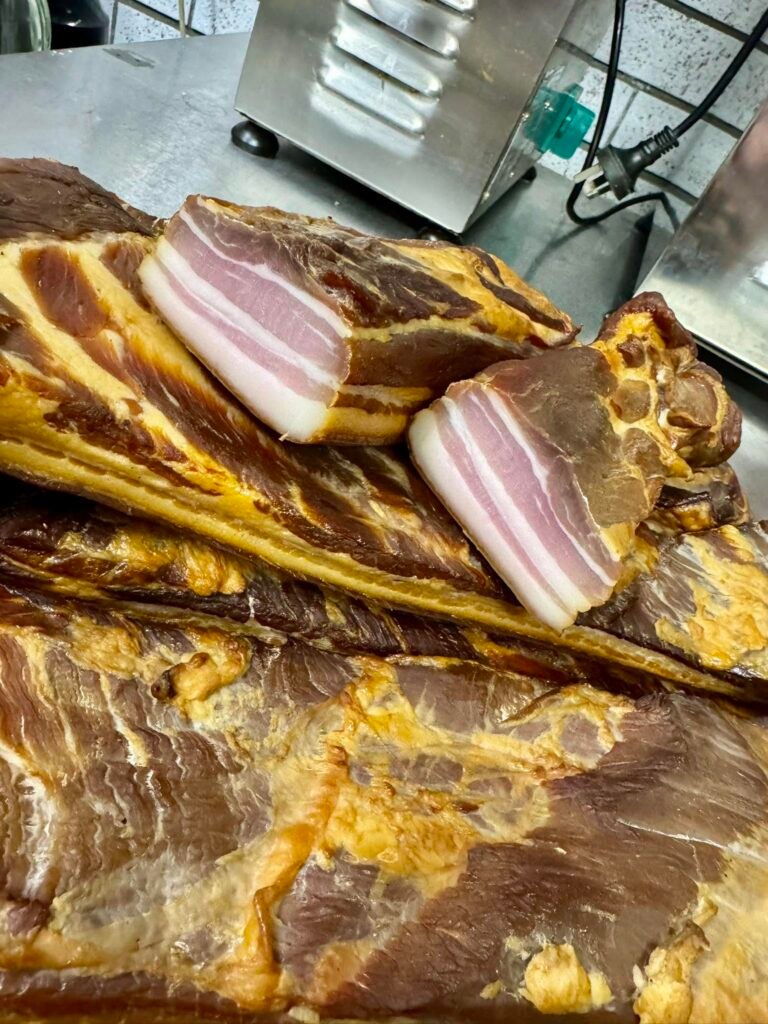
When people think of Hungarian cuisine, dishes like goulash, paprikash, and chimney cake often come to mind. But for Hungarians, one of the most treasured traditional foods is Szalonna—a flavorful cured pork fat or bacon that has been enjoyed for centuries.
Rich, smoky, and deeply satisfying, Szalonna is much more than a simple cut of meat. It represents rural traditions, family gatherings, outdoor cooking, and Hungary’s long history of preserving food using time-honored techniques.
Whether sliced thin for sandwiches or roasted over an open fire, Szalonna remains one of Hungary’s most iconic culinary traditions.
What Is Szalonna?
Szalonna is the Hungarian name for cured pork fat or bacon, usually prepared from the pork belly or back fat.
Depending on the recipe, it may be:
Salt-cured
Smoked
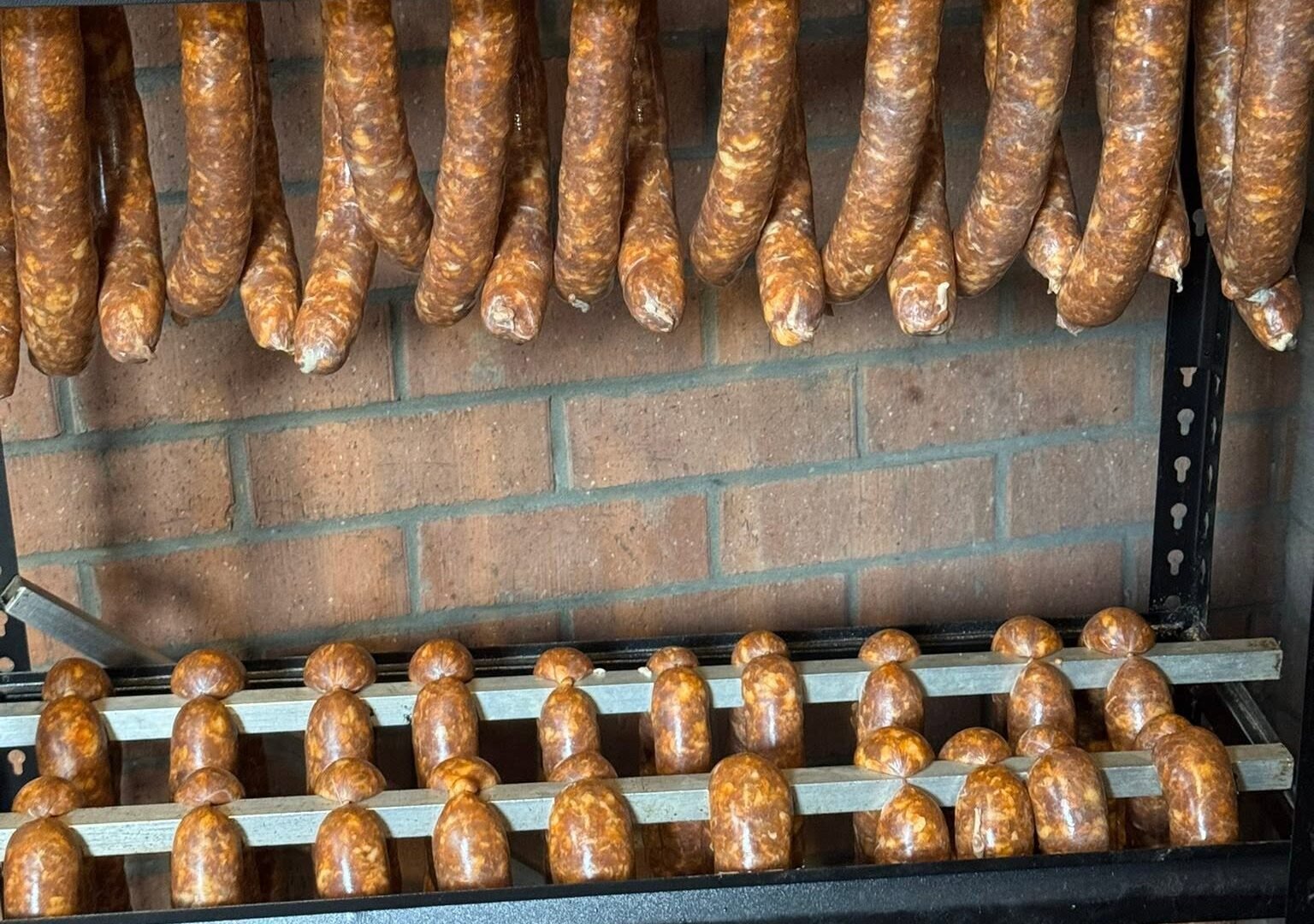
Paprika-coated
Garlic-seasoned
Air-dried
Unlike many types of bacon, traditional Hungarian Szalonna is often enjoyed without frying, although grilling it over an open fire is also a beloved tradition.
A Long History of Hungarian Tradition
For hundreds of years, Hungarian families prepared Szalonna during the annual winter pig slaughter, known as Disznóvágás.
Nothing from the animal was wasted.
After curing and smoking, the bacon could be stored for months, providing a valuable food source throughout the winter.
Many of today’s family recipes have been passed down from grandparents to children, preserving traditional methods that are still appreciated today.
Different Types of Hungarian Szalonna
Hungary offers several regional varieties.
Some of the most popular include:
Füstölt Szalonna
Traditional smoked bacon with a rich, smoky aroma.
Paprikás Szalonna
Coated generously with Hungary’s famous sweet paprika for extra flavor and color.
Fokhagymás Szalonna
Seasoned with garlic before curing, creating a bold and aromatic taste.
Kolozsvári Szalonna
Prepared from pork belly with alternating layers of meat and fat, then smoked to perfection.